Ensemble Repertoire
The ensemble has a large repertoire, with about 80 scores in our collection, and more added each year.
One of the primary goals of the ensemble is to make Chinese music, instrumentation, and musical cultural history available to an English speaking audience.
With that in mind we have provided the following selection from our repertoire, including short descriptions or histories of each piece. We will continue to add to this page, and we hope in time it will represent our entire repertoire.
To read about each piece below, please click on the + to the right of the song title.
-
阿拉木汗 - Ālā mù hàn
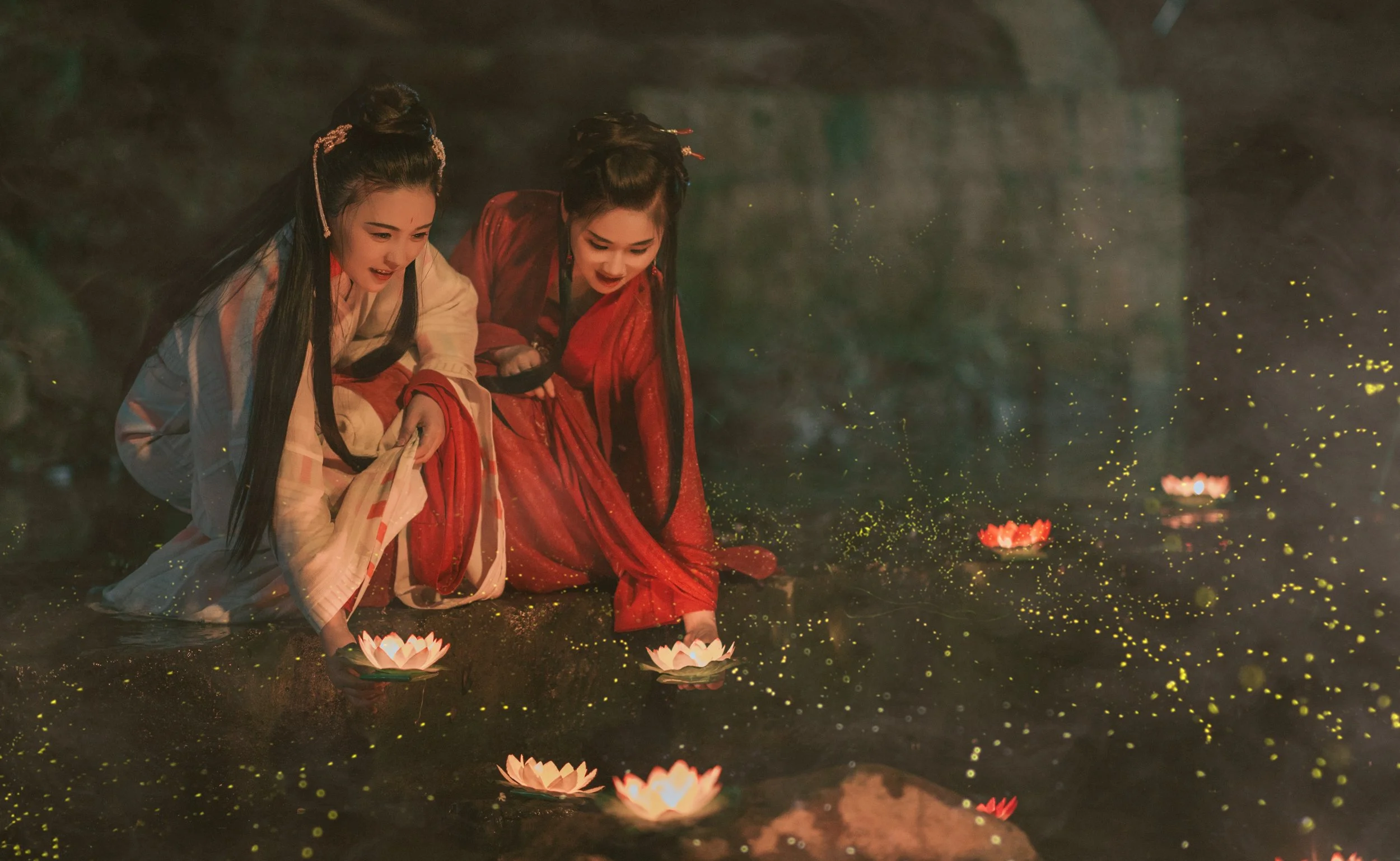
Alamuhan was the name of a girl in Xin Jiang. The two-person-dance of this piece depicts her natural beauty, which is like a bouquet of fresh flowers.
The original song was in the form of call and response, and the polyphony between the instrumental sections that is utilised in this adaptation of the piece demonstrates the lively yet relaxed mood of the piece.
Below you can hear the ensemble playing this piece.
-
边疆舞曲 (Biānjiāng wǔqǔ)
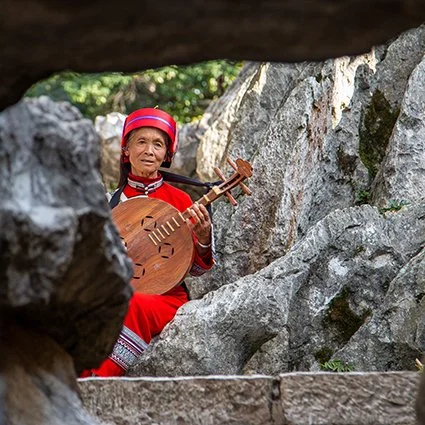
Bian Jiang Wu Qu, also known as Frontier Dance, is the orchestral version of the renowned “Yi Zu Wu Qu” (Dance of Yi People), originally written by plucked strings maestro Wang Huiran as a pipa solo in the 1960s after his stay in the Yunan province with people of Yi nationality.The piece is based on local folk tunes, describing beautiful Yi villages under bright moonlight, and young men and women expressing affections of each other over a few different dance scenes. This piece has become a widely-loved concert piece both for pipa and as adaptations for guitar, guzheng, and ensembles.
Audio coming soon…

-
Details coming soon…
Audio coming soon…

-
Cai Cha Deng (which translates as the Tea Harvesting Song) was written more than 270 years ago, originating from the Xiang Mei village in Fu Jian. The piece depicts tea harvesting activities, showing the light and relaxed mood of the farmers and their harmonious relationship with nature.
Audio coming soon…
-
彩雲追月 (Cǎiyún Zhuī Yuè)
Composed by Ren Guang, 1932.
Cai Yun Zhui Yue is a popular Chinese Orchestral piece in modern China.
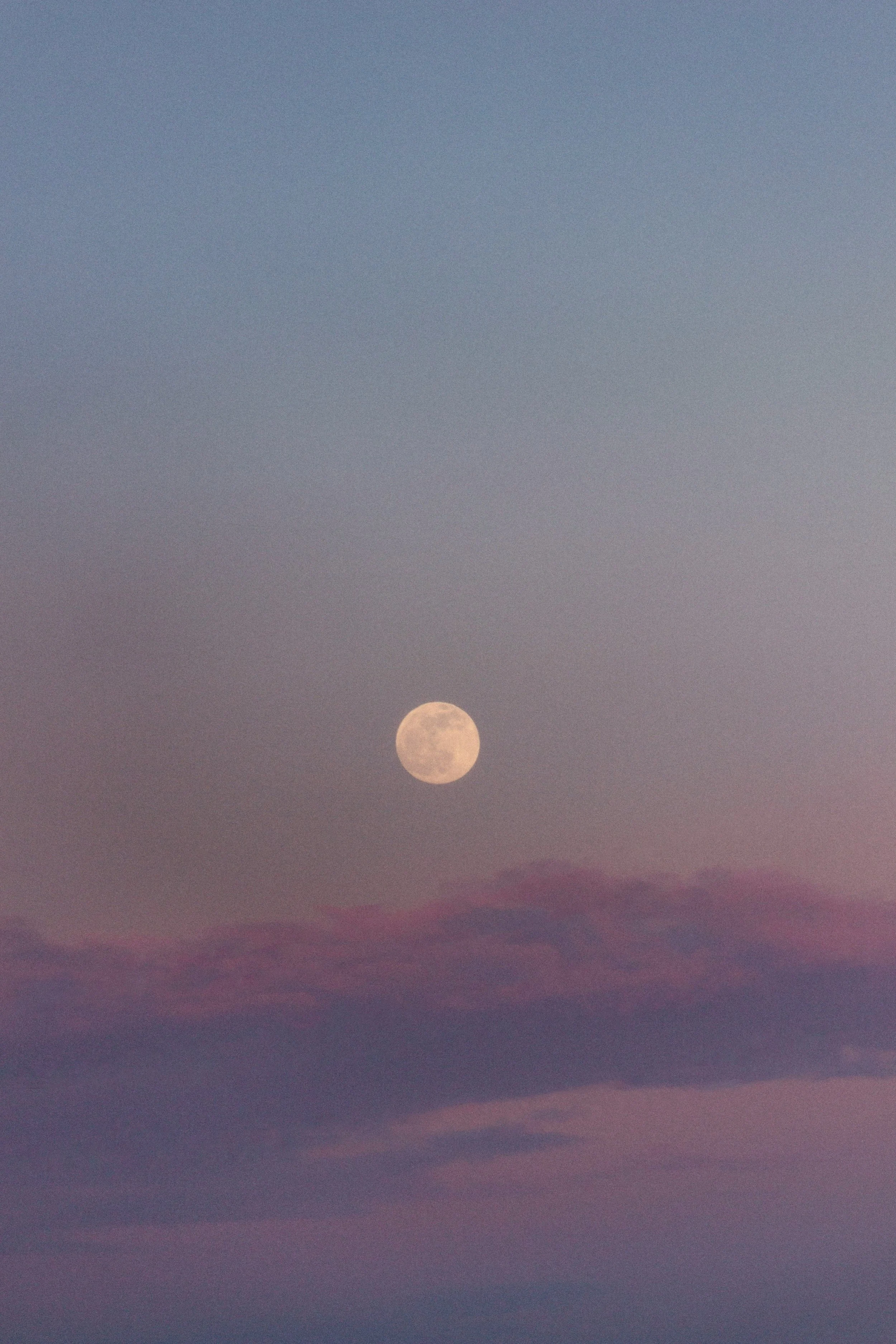
“Colourful clouds chasing the moon” indicates a picture of the night sky - the night not black but colourful, and with a glorious moon, crystal clear, like water.
The word “chasing” gives action to the picture, with some vividness in the twilight. Under the backdrop of the night sky, the clouds and the moon chase each other – a beautiful scene of serenity.
Below you can hear the ensemble performing this piece, recorded by Matt Barnes at the ANU School of Music, 2022
-
凤阳花鼓 (Fèng yáng huāgǔ)
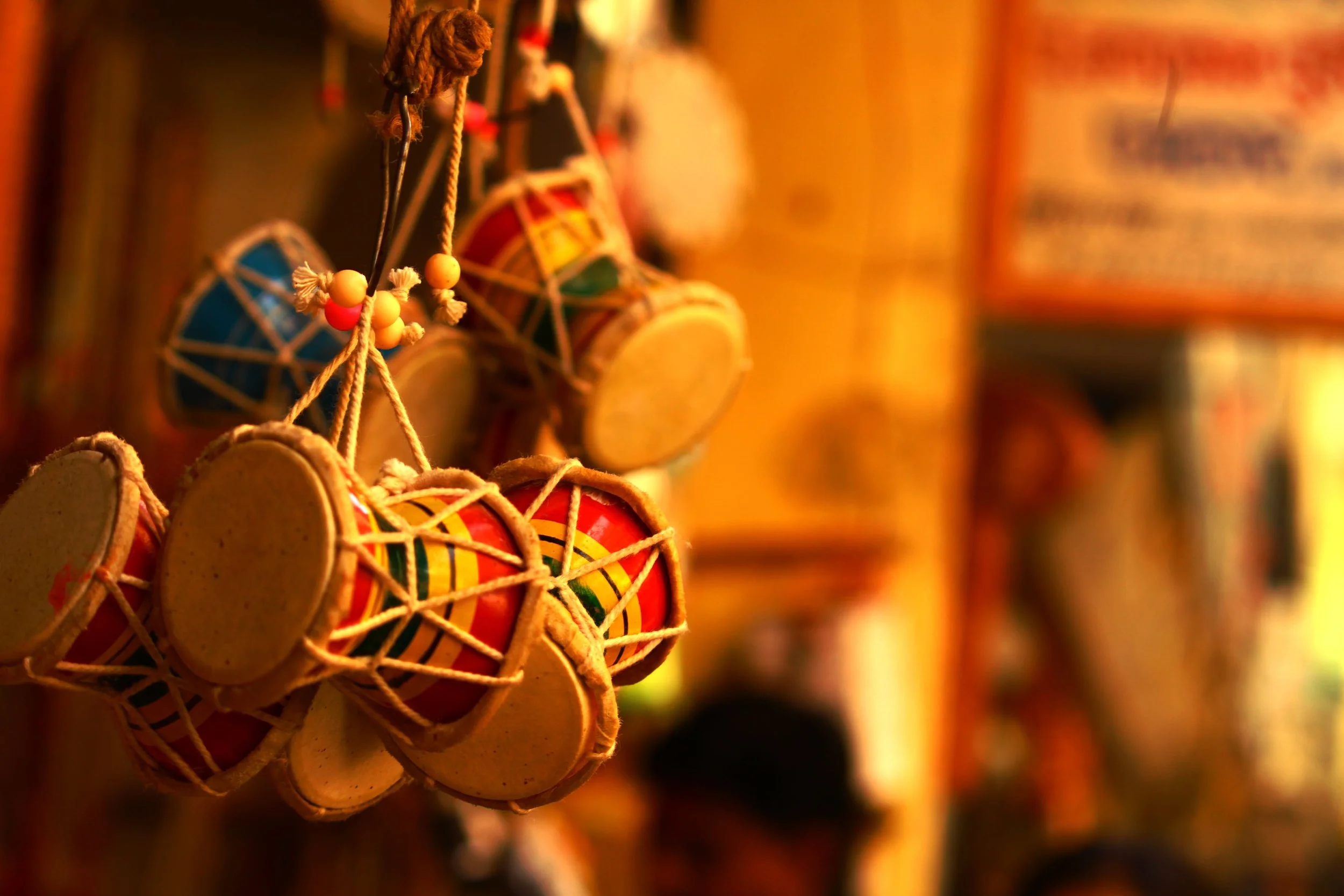
The Feng Yang Flower Drum was very popular during the Ching Dynasty, where it was played together with a gong as accompaniment to many types of folk songs.
The piece is one of those folk songs, which was most famously by Theresa Teng in the 1960s, and adapted to chinese instrumental music.
There are a number of versions for the lyrics to this song, one of which is as follows:
A gong in my left hand, a drum in my right, with the instruments in my hand I sing a song
I do not know any other songs, only a Feng Yang songLet’s sing a Feng Yang song
I have a sorry fate, I have a difficult life, I can’t marry a good husband
Other girls’ husbands are ministers and officials, my husband only plays the flower drum
So let’s play the flower drumMy life is difficult, my fate is sorry,
I couldn’t woo a good wife
Other men’s wives embroider beautiful flowers,My wife only has two big feet
Which measure up to more than a footBelow you can hear the ensemble playing this piece at their 2023 annual fundraising performance, Travelling with Clouds

-
Han Tian Lei literally translates as ‘Thunder in Drought Seaon’. This piece originates in the Guangdong province of China in 1921. It used to be a transitional music piece used between scenes in Canton Opera.
Rearranged by famous Yangqin player Yan Laolie to a cheerful and livelier tempo, this piece depicts the joy of people when they see rain clouds and hear thunder after a long drought season.
Below you can hear the ensemble performing this piece at Ainslie Arts Centre, 2016.

-
This piece (which translates as ‘full moon, gorgeous flowers’)was composed in the 1930s, during an incident where a music producer was short of a 5-minute piece to complete a music record. He tasked Huang Yi Jun, a performer in the company, to compose a piece to fill in time.
Without proper composing knowledge, Yi Jun composed this piece with passion at a go, with the piece unnamed. Due to the lively melody, this piece was named Hua Hao Yue Yuan, a Chinese idiom which literally translates as “Full Moon, Gorgeous Flowers”. It actually signifies perfect conjugal bliss.
Below you can hear the ensemble playing this piece.
Audio coming soon…

-
This piece was written by a composer called Wang Luo Bin in 1957 when he travelled to a place called Pu Tao Gou.
The piece depicts the beauty of a girl he met there. The name Hei Li Qi Han means “beautiful and holy angel” in the Uyghur language, and it was bestowed to this girl because she was much loved by everyone in the village.
Audio coming soon…

-
The title of this piece probably comes from the saying Zhima kaihua jie jie gao, meaning "a sesame stalk puts forth blossoms notch by notch, higher and higher", referring to an old tradition from the city of Hangzhou of planting a sesame seed on the eaves of one's house on the first day of the new year in order to watch it sprout and grow over the course of the year, producing numerous seeds just as the family is hoped to flourish and multiply.
In Kunqu, this bright and cheerful qupai is used to set the stage for scenes of banquets or other festivities, and is used most famously in Mudan Ting (The Peony Pavilion), the best known of all Kunqu plays. The Peony Pavilion is a play written by Tang Xianzu in the Ming Dynasty and first performed in 1598 at the Pavilion of Prince Teng. It is the most popular play of the Ming Dynasty.
Below you can hear the ensemble performing this piece at Ainslie Arts Centre, 2016.

-
This piece (which translates as ‘the crazy dance of the golden snake’) is based on the folk song “Dao Ba Ban”, and it was arranged in into an ensemble piece by Nie Er in 1934. The piece’s spirited melody and loud dynamics provides the perfect mood for a festive celebration.
In fact, this traditional piece so strongly embodies and symbolises celebratory Chinese culture that it was used as the background music in the opening ceremony of the Beijing Olympics in China in 2008 to kick start the celebrations.
Audio coming soon….

-
马车夫舞曲 (Mǎchē fū wǔqǔ) Coachmans Dance
Ma Che Fu Wu Qu is adapted from a Xinjiang folk song. It originated from Dabancheng District, which is between Urumqi and Turpan.
This is the first Uyghur song to be translated into Chinese Mandarin, which depicts the chase of love between Xinjiang youth boys and girls.
Its catchy rhythm and liveliness quickly gained popularity. Today, this song is widely used for folk dance during festivities.
-
茉莉花 (Mòlìhuā)
Traditional
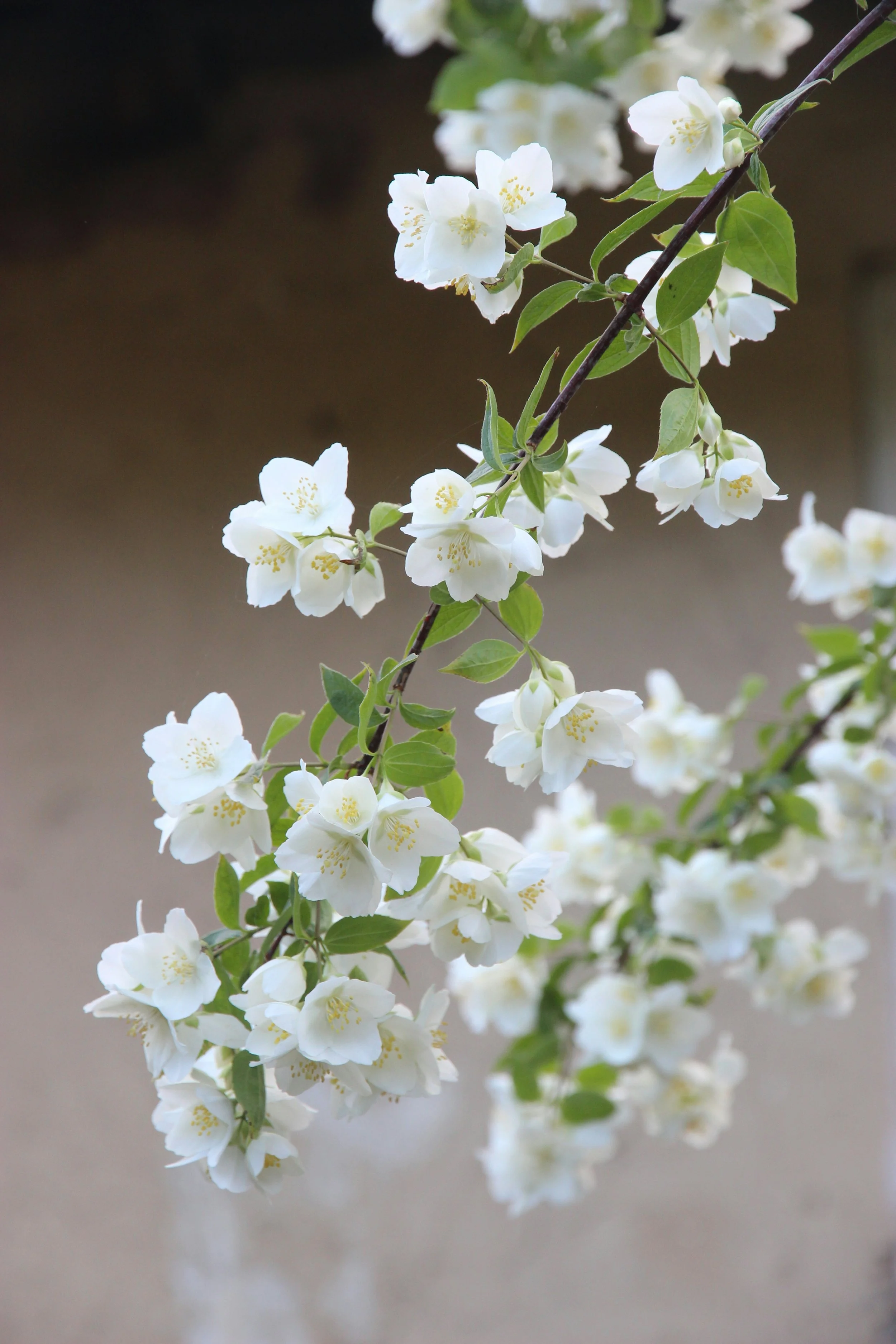
Jasmine Flower was composed in the mid-18th Century, during the Qing Dynasty, though the composer is unknown. It has become one of the first Chinese folk songs to become widely known outside China.
In 1896 the song was used as temporary national anthem by the Chinese envoys in Europe. The melody has become well known among Western listeners as it was used by Giacomo Puccini in his opera Turandot, composed in 1924.
There are many regional variations and even more arrangements. The version we will play was arranged by our conductor Lucy Le Pan.

-
Details coming soon…
Below you can hear the ensemble playing this piece.

-
Details to come…
Below you can hear the ensemble playing this piece.
Audio coming soon…

-
天黑黑 (Tiān hēi hēi)
Dark Sky is a Hokkien folk song song from Taiwan made famous by Teresa Teng.
It has funny lyrics about a grandfather and a grandmother fighting over how to cook the eel that grandfather caught and ending up breaking the pot instead.
Dark sky 天黑黑 is said to be a children’s folk song, but the catchy melody is popular with adults too.
Below you can hear the ensemble performing the piece at their 2022 annual fundraising concert, ‘Travelling with Clouds’

-
This piece (which translates as ‘martial arts’) is has been adapted from the orchestral piece “Welcoming Spring with Martial Arts” which was written in the 1950s as a soundtrack to the movie “Martial Arts”.
The piece was written to complement the martial arts scene, showcasing the strength and heroics of the characters.
Audio coming soon…
-
Details to come…
Audio coming soon…

-
Details to come
Audio coming soon…

-
Xi Yang Yang is a famous piece in China. It was composed in 1958 by a Chinese Classical Music Master, Liu Mingyuan.
Its lively and happy beat makes this piece a popular choice for festivities like weddings, Chinese New Year, and even for opening ceremonies.
Below you can hear the ensemble performing this piece at Ainslie Arts Centre, 2016.
Audio coming soon…

-
妆台秋思 (Zhuāng tái qiūsī)
Traditional
The history of Zhuang Tai Qiu Si dates back 2000 years.
Zhuang Tai means vanity table, Qiu is the Autumn season, and Si means missing someone. This piece was adapted from the 4th movement of 塞上曲 / Sai Shang Qu (A Tune for the Frontier), one of the ten most famous pipa compositions still played today.
Saishang qu is a melancholic piece evoking the pipa and feelings of legendary Han Dynasty consort Wang Zhaojun (born ~50 BCE). Known for her fine beauty, Wang was ordered by the Yuan Emperor (75–33 BCE) to leave the Imperial court and marry the supreme leader of the Xiongnu people as a peace treaty.
The piece depicts her sitting at her dressing table in the middle of Autumn, thinking of her homeland. There are now adaptations of the piece for solo dizi, xiao, guzheng and in recent decades other instrumental combinations.
Below you can hear the ensemble performing this piece at Ainslie Arts Centre, 2016.

-
Yun Qing is one of the Eight Great Songs of the Jiangnan Sizhu musical tradition.
The song is relaxed and beautiful, the light and graceful music reflecting the style of Jiangnan River, and lively character of the people in the south of the Yangtze River.

-
Arranged by 柴长宁/ Chai Changning
Zizhu diao (Purple Bamboo Melody)is a popular tune featured in the江南丝竹 ( Jiangnan sizhu - ‘Silk and Bamboo’ ensemble music) and 沪剧 (Huju - Shanghai opera ormusical theatre) repertoires.
Originating in the Jiangnan or Yangtze delta region, its name probably references the minimalist Huju theatre tradition, in which the props used on stage included a white sheet of cloth and two sticks of purple bamboo.
In the arrangement of the tune performed by the ensemble, the main theme is shared between the dizi (transverse flute) and bowed and plucked strings.
Interestingly, Purple Bamboo Melody is also one of the first few Chinese classical music pieces to make its debut into the American pop music scene 20 years ago. The piece is also heard in many concerts held by international orchestras worldwide.
Audio coming soon…